The Accidental Business Partner Sitting at the Desk Next to You
You didn't come to Bridge Space looking for a business partner.
You came because your apartment was too quiet, or working from coffee shops had lost its charm, or you needed somewhere to take a client call that wasn't your kitchen. You booked a hot desk, grabbed a coffee, and settled into your corner of the space.
Then something happened that doesn't show up in the coworking brochures.
You overheard someone struggling with the exact problem you'd already solved. Or you mentioned an idea in passing, and the person next to you lit up because they'd been thinking about something similar. Or you discovered that the person in the private office next to you was building something that would perfectly complement what you were doing.
In those moments, coworking stops being just a place to work. It becomes a place where unexpected things grow.
The Coffee Shop Wasn't Cutting It Anymore
Let's talk about what usually brings people to a coworking space in Lee's Summit.
Most people start with coffee shops. Coffee shops are cheap, they're everywhere, and there's something nice about being around other people while you work. But after a few months, the charm wears off. The coffee shop becomes crowded right when you need to focus. Your usual table gets taken. You realize you've been sitting there for four hours and somehow spent $24 on lattes. And the person next to you is on a video call, loudly, which means you can't be. As productivity researchers highlight in The 6 Best Non-Coffee-Shop Sites for Remote Work, these spaces simply weren't designed for professionals who need reliable, distraction-free environments.
You need something better. Something designed for actual work. Something with stability.
So you find a coworking space. At first, it just feels practical. You get a desk. The WiFi is reliable. You can book a conference room when clients are coming in. There's actual parking. It's professional without being sterile.
What you don't expect is that the practical decision becomes the interesting one.

How the Best Business Conversations Start Accidentally
Here's what's interesting about coworking spaces: they're built in a way that forces real interaction.
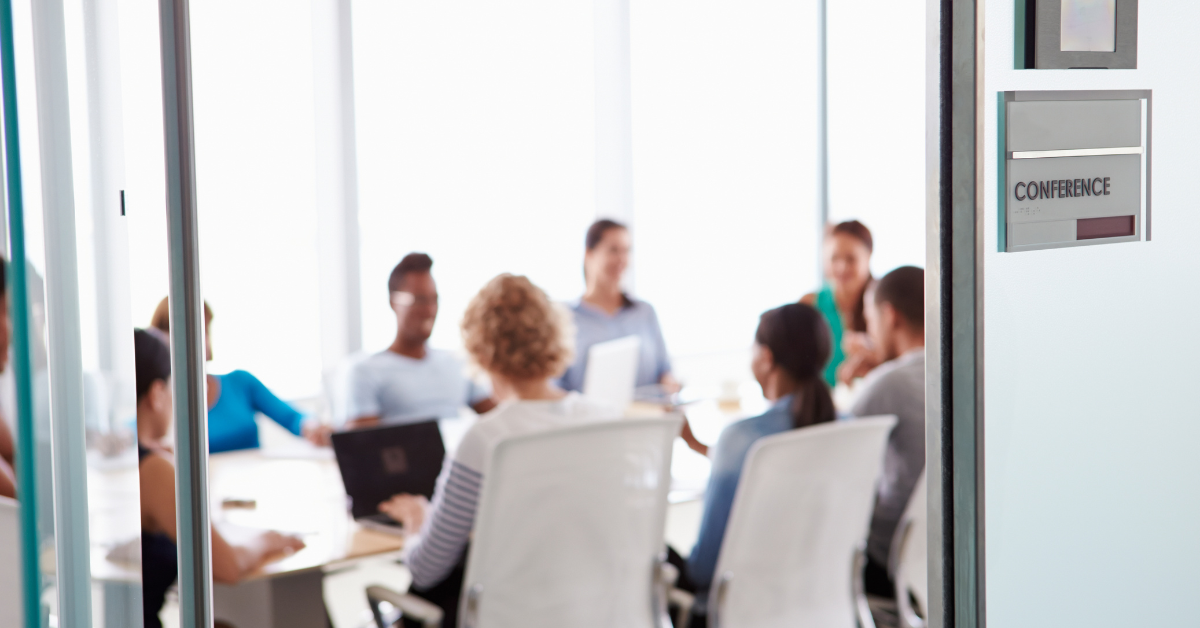
You walk past someone's desk to get to the kitchen. You both reach for the last coffee filter. You sit next to someone in the common area. You're in the break room waiting for your lunch to heat up, and someone mentions they're building a service for local contractors.
That's exactly what your client base needs.
Or you're on a call with a customer who's frustrated about something, and you don't realize the person at the next desk just built software that solves that exact problem.
Or you're a nonprofit trying to figure out event logistics, and there's a project manager in the back room who does that for a living and overhears your conversation.
These tiny moments—the ones that happen because you're physically in the same place—lead to partnerships that people don't plan for.
Coffee shops don't do this. Working from home definitely doesn't. Even traditional office parks don't create this dynamic because everyone's locked in their own space. But a coworking community puts you near people. Enough structure that it feels professional, but enough openness that conversations actually happen.
The Partnership Nobody Saw Coming
We've watched this unfold at Bridge Space.
People come in solo—freelancers, contractors, small business owners who work alone. After a few weeks or months, they start noticing each other. Someone needs a designer; there's a designer in the space. Someone's overwhelmed with bookkeeping; there's an accountant who joins for coworking sessions. A podcast producer meets a marketing consultant. A virtual assistant ends up referring clients to a web developer she met while making tea.
None of these partnerships came from a formal networking event. They came from proximity, repeated interaction, and the kind of casual conversation that happens when people are around each other doing real work.
That's not something you can fake. You can't manufacture it with a networking mixer. It has to be real.
Why This Matters for Your Business
There's something powerful about being in a space where other people are actually trying to build something.
When you're around people who are doing the work—not just talking about doing it, but actually doing it—it shifts your own energy. You get less distracted. You're more focused. Your ideas get sharper because you're surrounded by people who get it.
And yeah, sometimes you meet someone you end up actually working with.
But even if that never happens, the daily presence of people who are serious about their work is contagious. You feel it. You work better. Your ideas get better. You show up differently.
For people in Lee's Summit, that's actually important. We're not a massive metro with unlimited options. We're a community where businesses tend to know each other, support each other, and show up for each other. A coworking space amplifies that. It's not a chain space in a random building. It's a place full of your neighbors, people you actually see, people who are building real things in the community you live in.
The Vibe Actually Matters
Some coworking spaces feel sterile. They're nice enough, but they feel like you're just renting desk space. You show up, you work, you leave.
The best ones feel different. They feel like a real community. People know each other's names. You can overhear what people are working on because it's natural conversation, not overhead. Someone figures out something cool and mentions it. Someone's celebrating a win. Someone's frustrated and gets actual advice from people who've been there.
That vibe is the whole thing.
It's what brings people back day after day, not because they have to, but because they want to be around people who get what they're trying to build.
If You're Working Alone, This Hits Different
If you're a freelancer, contractor, small business owner, or creator working solo, coworking isn't just a desk. It's an antidote to isolation.
Working from home is convenient, but it's also lonely. You miss the ambient human energy. You miss someone saying "hey, what are you working on?" You miss overhearing someone solve a problem that suddenly feels relevant to what you're doing. Research on the effects of remote work on collaboration shows that remote work can make communication more siloed, while shared professional spaces naturally combat these issues through constant, organic interaction and collaboration.
Coworking gives you that back. You get the flexibility of working when and where you want, but with the social and intellectual energy of being around other professionals who are building things.
That matters more than people expect. It changes how you think. It changes what you create. It changes how you feel about your work.
The Conversation Starter
So here's the thing about coworking spaces in Lee's Summit.
They're not just for people who need office space. They're for anyone who's serious enough about their work that they want to be around other people who are serious too. They're for people looking for stability, professionalism, and the energy that comes from being part of a real community of makers and builders.
Sometimes that leads to a partnership you didn't expect. Sometimes it just leads to better work and a clearer head.
Either way, it's better than you thought it would be when you first booked the desk.
The best part? You don't have to plan for it. You just show up, do your work, and let the good conversations happen.
If you're tired of the coffee shop cycle or the isolation of working from home, come check out Bridge Space. We're a coworking community right in downtown Lee's Summit—a place where real people are doing real work, and unexpected things happen all the time.
Sometimes the person sitting next to you is exactly who you needed to meet.
You might also like...